



Abstract
- At the 17th German-Japanese Young Leaders Forum, organized by the Japanese-German Center Berlin (JDZB), young representatives from Japan and Germany gathered for lectures and discussions under the overarching theme of “(in)security.” As a member of the Economic Security Working Group, I explored policy approaches related to the Circular Economy. The Forum provided an extremely valuable opportunity to update my knowledge of security issues and forge networks with participants from both countries.
- Right-wing parties have recently made notable gains in German state elections. First-hand accounts and survey data suggest that the underlying issue may not necessarily be opposition to immigration or nationalism per se, but rather dissatisfaction and anxiety about everyday life, including concerns over rising prices. When considering security, it is therefore important to look beyond a country’s diplomatic and economic interests and ask whether security policies actually address the concerns and needs of the public.
- The Forum also gave me an opportunity to reconsider how Japan is viewed by Germany. It is essential to keep our understanding of Japan’s distinctive characteristics up to date, particularly those that differentiate it from other countries, and to be able to explain them clearly to people from overseas.
From September 11 to 20, 2026, I had the opportunity to participate in the 17th German-Japanese Young Leaders Forum, a program organized by the Japanese-German Center Berlin (Japanisch-Deutsches Zentrum Berlin: JDZB) (Note 1), which is headquartered in Berlin, Germany.
First and foremost, I would like to express my sincere gratitude to the JDZB for organizing the program; Dr. Shogo Akagawa, European Editorial Writer for Nikkei Inc.; all of the speakers and guests; and all of the German and Japanese participants and others involved in the Forum. With this appreciation in mind, I would like to provide an overview of the objectives and content of the program, followed by several observations based on the current situation in Germany.
1. Objectives of the Program
Since 2006, the JDZB has organized the Young Leaders Forum with the aim of promoting exchange between younger generations in Japan and Germany. The Forum focuses on a different theme each year—the previous year’s theme, for example, was “Resilient Democracy.” This year, lectures and discussions were held under the theme:
“(In)Security”
How Can Young Leaders Contribute to Stability in Uncertain Times?
More specifically, lectures and discussions explored four dimensions of “(In)Security” in greater depth:
- Cyber Security
- Social Security
- Economic Security
- Global Security
Participants were also divided into working groups, where they developed and presented policy proposals on these respective themes. The Forum as a whole was moderated by Dr. Shogo Akagawa, European Editorial Writer for Nikkei Inc., who also teaches at Freie Universität Berlin. A diverse range of guests from various fields were invited to deliver lectures and engage in discussions with the participants.
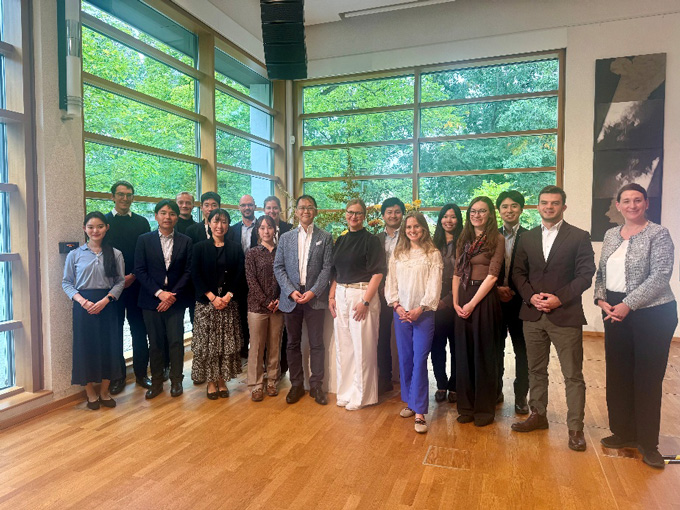
2. Overview of the Program
<Lectures and Discussions>
Dr. Julia Münch, Secretary General of the JDZB, began by explaining that the value of the Young Leaders Forum lies not in simply comparing Japan and Germany, but in bringing together participants of different nationalities and professional backgrounds and encouraging them to interact and challenge their own assumptions. She emphasized that “trust” is fundamental to international relations and that continuously building relationships between people, as the JDZB seeks to do, is essential. She also pointed out that “insecurity” is a multilayered issue encompassing not only war and cyberattacks, but also infrastructure disruptions, environmental disasters, and even the psychological insecurity experienced by individuals. Against this backdrop, she argued that what is expected of young leaders is “responsible leadership”: not merely engaging in discussion, but translating the insights gained into concrete actions that contribute to social stability. She also stressed the importance of maintaining the networks built through the Forum after the program concludes.
Dr. Akagawa emphasized the importance of grounding our thinking in values such as pluralism, democracy, and the rule of law, and of passing these values on to the next generation. He argued that Japan and Germany, drawing on their respective historical experiences and positions in the international community, should actively contribute to a stable, democratic international order. At the same time, he encouraged participants to critically examine whether existing security arrangements will continue to function adequately into the future or whether new forms of cooperation will be required. Participants were encouraged to consider cyber security, social security, economic security, and global security as interconnected issues. For example, he noted that increases in defense spending cannot be considered separately from social security, the tax burden, economic growth, and public support. He also introduced specific scenarios—including changes in the U.S. approach to foreign policy, differing perceptions of Russia among European countries, and the relationship between the Russia-Ukraine war and a potential crisis in the Taiwan Strait—and encouraged participants to develop feasible policy proposals that take existing policy constraints into account.
In the Cyber Security session, a representative of a major Japanese telecommunications company pointed out that cyberattacks can disrupt not only corporate activities but also critical infrastructure and entire supply chains, including logistics, healthcare, and ports. Cyber security is therefore directly linked to both business continuity and national security. The speaker emphasized that countermeasures must cover not only large corporations but also small and medium-sized enterprises (SMEs), which can serve as entry points for attacks, and stressed the importance of steadily implementing basic defensive measures such as multi-factor authentication, employee training, identification and management of IT assets, and reliable backup systems. With regard to AI, the speaker argued that rather than uniformly restricting its development, appropriate governance should be pursued in parallel with efforts to strengthen defensive capabilities.
Meanwhile, a German Federal Ministry of the Interior official responsible for cyber security explained that as Europe and Asia face common threats, German-Japanese cyber cooperation is becoming increasingly important from a geopolitical perspective as well. In particular, the official stressed the importance of practical cooperation among governments, relevant agencies, the EU, NATO, and other actors, as well as the rapid sharing of threat intelligence based on mutual trust. Such practical cooperation, the official noted, can be advanced without waiting for formal international agreements. At the same time, because unrestricted disclosure of classified or sensitive information could reveal defensive capabilities to attackers, information sharing must be calibrated based on the level of trust between the parties involved in such cooperation. The official also emphasized the importance of establishing a two-way mechanism under which companies are not merely required to report incidents but also receive useful threat intelligence in return, and of preparing for emerging risks associated not only with AI but also with quantum technologies and robotics. In addition, taking into account the sovereignty and international-law issues surrounding “active defense,” the official referred to Germany’s forthcoming “Cyberdome” initiative.
In the Social Security session, a current member of the German Bundestag discussed the central challenge facing aging democratic societies: how to reconcile the sustainability of healthcare and pension systems with intergenerational fairness. As the proportion of older voters increases, immediate needs such as healthcare and pensions may receive greater political attention, potentially making it more difficult to secure support for long-term investment policies that would benefit younger and future generations. Possible responses to this issue that were discussed included strengthening the political representation of younger people and creating legal mechanisms to protect the interests of future generations. It was also argued that sustaining social security systems will require preventive policies that extend healthy life expectancy, as well as more efficient healthcare spending with greater attention to cost-effectiveness.
A prominent author further explained that securing public support for reform requires the public perception that the burden is being distributed fairly. Political decision-making and budget allocation do not necessarily maximize the interests of society as a whole automatically; they may also be influenced by organized interests and political pressure. It is therefore important to ensure that the voices of generations and groups that are not proportionally represented are reflected in policymaking. With regard to German-Japanese cooperation, differences in approaches to subsidies, fiscal risks, and healthcare systems were also identified as potential obstacles. The discussion concluded that sustaining such reforms democratically requires not only explaining complex policy choices to the public in an accessible manner, but also strengthening the government’s capacity to respond effectively, while safeguarding household prosperity amid changes in the geopolitical environment.
In the Economic Security session, academic experts discussed how both Japan and Germany could reduce economic dependence on specific countries while maintaining growth and competitiveness. With regard to critical minerals and supply chains in particular, it was pointed out that simply shifting dependence from one country to another would not be sufficient. Instead, sustainable mechanisms must be established that encompass everything from the production of alternatives to ensuring the commercial viability of the companies involved. A related challenge is how to align public- and private-sector incentives: governments tend to place greater emphasis on long-term resilience, while companies must take current market prices and competitiveness into account.
The discussion also highlighted economic uncertainties beyond China, including U.S. tariff policy, as well as the possibility that global production systems could become increasingly fragmented along regional lines. Potential areas for German-Japanese cooperation were said to include not only securing critical goods and materials, but also technological cooperation in fields such as defense technology and startups, as well as the development of compatible standards. Economic security was thus framed not simply as a matter of “reducing dependence,” but as a challenge of strengthening economic resilience through public-private cooperation while maintaining corporate competitiveness and existing alliances and partnerships.
The Global Security session brought together politicians and academics from Central and Eastern Europe. Participants discussed, for example, the need for scenario-based analysis of the roles that Japan and Germany could play in the international community in the event of changes in U.S. engagement in international security. Attention was also drawn to the fact that perceptions of security threats are not uniform across Europe. Countries in Central and Eastern Europe, including Lithuania, which faces security concerns related to Russia, have different threat perceptions and priorities reflecting their respective geographical and historical circumstances.
The discussion further emphasized that European and Indo-Pacific security are interconnected. Key questions included how lessons from Russia’s invasion of Ukraine could be applied to potential future crises, including in the Taiwan Strait, and what responsibilities Europe would bear in such circumstances. With regard to deterrence, participants noted that military equipment and defense expenditure alone are insufficient: adequate personnel, public willingness to contribute, and political support are also indispensable. Through these discussions, participants reaffirmed the need to understand security not merely as a matter of military capability, but as a comprehensive challenge encompassing alliance credibility, societal support, and diplomatic cooperation.
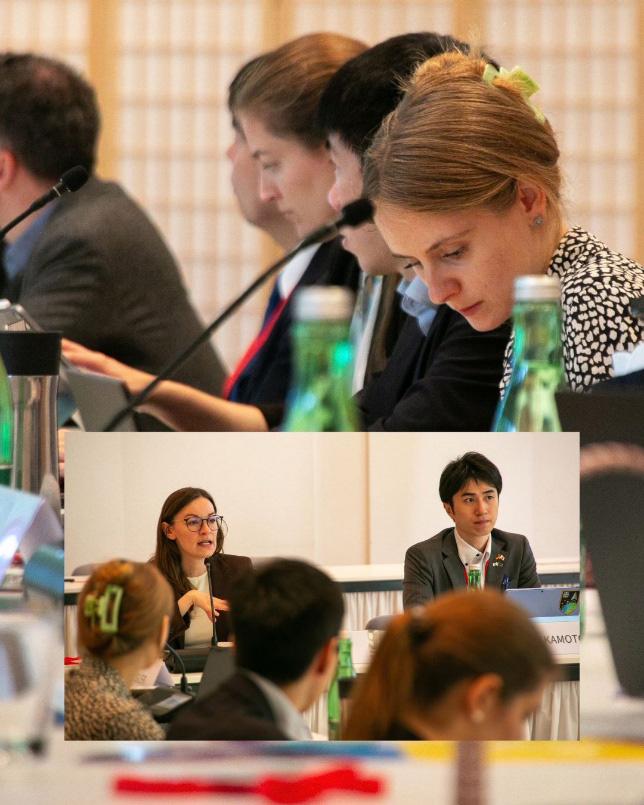
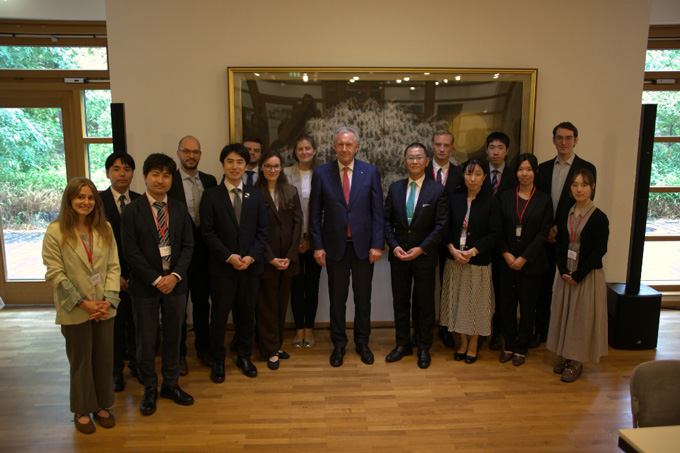
In addition to the individual sessions, participants had opportunities to exchange views with former German Federal President Christian Wulff, as well as officials from the German Federal Foreign Office and Federal Ministry of Defence. The discussions, including comments from participants, touched on the following points:
- German-Japanese relations have in recent years evolved beyond traditional diplomatic and economic exchanges toward a more strategic partnership encompassing economic security, defense, and advanced technologies.
- Diversifying critical mineral supply chains requires not only technological development but also commercially sustainable mechanisms encompassing processing capacity, government financial support, and long-term purchasing commitments by companies.
- Attention must be paid to the differing incentives of the public and private sectors: while governments prioritize long-term resilience, companies must take current price competitiveness into account. The impact of disruptions to maritime transportation on corporate costs must also be considered.
- Amid the threat of hybrid warfare, there is a need to rebuild defense capabilities that were reduced after the end of the Cold War and to ensure effective deterrence. This requires securing sufficient personnel, responding to developments in areas such as drones, cyber, AI, and space, and strengthening the crisis-response capacity of society as a whole, including the private sector. At the same time, the Bundeswehr, as a “parliamentary army” subject to parliamentary oversight, requires sustained public and political support. Defense cooperation between Japan and Germany also has potential in areas such as joint procurement and training.
- Leaders need not only expertise and a sense of responsibility, but also the capacity to drive innovation, demonstrate empathy, and provide hope for society’s future. To maintain trust in democracy, mainstream political parties need to present concrete and positive visions of the future that connect with citizens’ everyday lives, including investment, innovation, expanded opportunities, and improvements in living conditions.
- While recognizing the value of diversity and immigration, participants stressed the need for communication that listens to different voices within society and avoids further division. The impact of social media and AI-generated information on trust in democracy, as well as the importance of media literacy, were also highlighted.
- Regarding Japan and Germany, there is potential to deepen cooperation by leveraging their complementary strengths in areas such as engineering, robotics, industrial data, and AI, with trust and continuing collaboration serving as the foundation for closer collaboration.
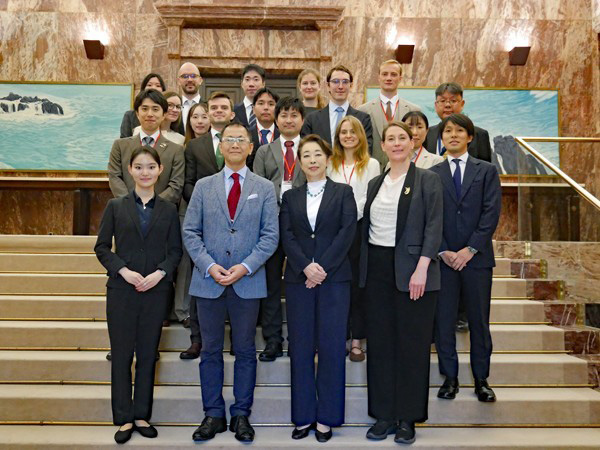
During a visit to the Embassy of Japan in Germany as part of the program, Ambassador Extraordinary and Plenipotentiary Mitsuko Shino emphasized the importance of German-Japanese cooperation based on shared values such as democracy and the rule of law at a time when countries face cross-border challenges including cyber security, energy, and climate change. She also spoke about the importance of long-term people-to-people exchange, including among younger generations, and of building relationships based on trust.
<Working Groups and Outcomes>
Between the lectures and other sessions, participants were divided into four working groups—Cyber Security, Social Security, Economic Security, and Global Security—to examine the current state of German-Japanese cooperation and develop policy proposals. The four groups ultimately brought their findings together in a joint Resolution.
As a member of the Economic Security group, I worked on identifying challenges arising from supply chain dependence on specific countries and developing possible policy responses. Through our discussions, we ultimately proposed that, amid growing geopolitical tensions and the increasing weaponization of economic interdependence, Germany and Japan should adopt the Circular Economy as a strategy for strengthening economic security.
Our starting point was the recognition that while both Japan and Germany have highly advanced industrial economies, they share a common vulnerability: their dependence on overseas supplies of critical minerals and intermediate goods, with supplies concentrated in particular countries and regions. Against this backdrop, we proposed “Circularity” as a central pillar encompassing the conventional approaches of “Diversification” of supply sources, “Substitution,” and “Stockpiling.”
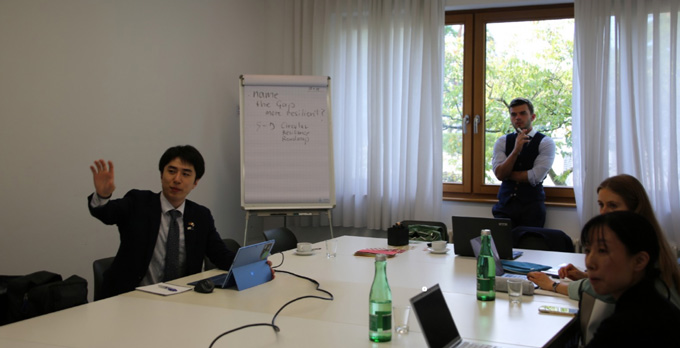
Until then, my own understanding of the Circular Economy had been that it was primarily associated with the efficient use of natural resources, reducing waste generation, and mitigating environmental impacts (Note 2), in other words, an economy centered mainly on resource reuse and recycling. I therefore tended to associate it with a different set of stakeholders from those involved in supply diversification, substitution, and stockpiling. Therefore, I was initially not convinced that “Circularity” was the right overarching framework for reaching the full range of stakeholders involved in Economic Security.
When I raised this concern with the German participants, however, their response was that in Germany, neither “Circularity” nor the “Circular Economy” is regarded as a concept confined to resource reuse and recycling. Rather, it is considered a natural overarching policy framework for ensuring Economic Security, one in which a wide variety of stakeholders beyond those traditionally associated with the 3Rs can participate. I remember being pleasantly surprised by this perspective.
Indeed, Germany’s National Circular Economy Strategy (Die Nationale Kreislaufwirtschaftsstrategie: NKWS) aims to reduce the consumption of primary raw materials, close material cycles, and strengthen sustainable economic activity throughout value chains (Note 3). It explicitly states that the economy of the future will be circular and that the Circular Economy can contribute not only to achieving climate targets, but also to reducing economic dependencies and safeguarding competitiveness (Note 4).
Japan’s approach is no longer significantly different in the sense that the Circular Economy is no longer treated merely as environmental policy. The “Circular Economy Action Plan,” adopted by the Japanese government at the Ministerial Meeting on the Circular Economy in April 2026, states that Japan should make the Circular Economy a source of competitive advantage and that strengthening supply chains for recycled resources constitutes both investment in crisis management promoted by the Takaichi Cabinet and investment in growth itself (Note 5). At the same time, it has been pointed out that Japan’s recycling and resource recovery industries tend to be smaller in scale than their European and U.S. counterparts and face challenges in establishing a level playing field, developing recycling technologies, and ensuring the commercial viability of circular business models (Note 6). This led me to reconsider whether Germany may have a broader range of stakeholders that regard “Circularity” as directly relevant to their own businesses.
At the same time, German participants suggested another possible avenue for cooperation. Japanese companies may possess recycling technologies that are not currently available to German companies, creating opportunities for Japanese firms to use Germany as a market for deploying such technologies. In particular, operating in Germany requires compliance with various EU standards and regulations. It was therefore suggested that Germany could provide a useful entry point for Japanese companies considering future expansion into the wider EU market.
The EU is currently seeking closer ties with Canada. For example, there has been discussion of a proposal supported by European Commission President Ursula von der Leyen to make Canada the EU’s first “associate member (Note 7).” Against this backdrop, our discussion developed toward the idea that establishing a market presence in Germany could potentially provide a pathway not only into the broader EU market, but eventually into markets in other like-minded countries as well.
Based on these discussions and with reference to information on existing policies and dialogue frameworks (Note 8), the Economic Security group developed four policy proposals on “Circularity.” First, Germany and Japan should exchange technological information on recycling and resource recovery technologies. Second, they should undertake joint R&D and demonstration projects related to the Circular Economy. Third, they should provide incentives and business-matching opportunities to encourage companies to commercialize and scale up circular systems. Fourth, the two countries should jointly develop quality and certification standards for secondary resources. Regarding the fourth proposal in particular, our intention was to pursue German-Japanese cooperation in a manner aligned with EU regulations from the outset, with the eventual aim of extending the resulting standards and practices to other like-minded countries.
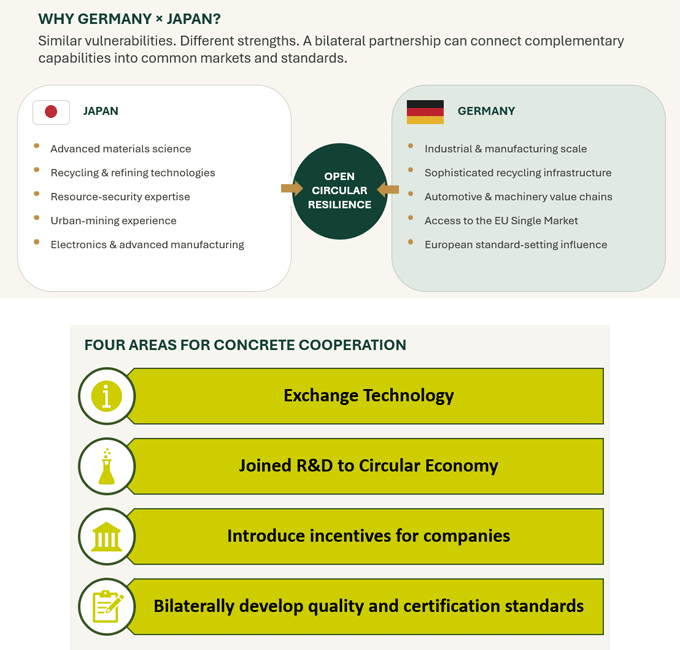
To facilitate concrete bilateral cooperation, we additionally proposed three actions:
- Establish an “Open Circular Resilience Action Track” (provisional name) utilizing the existing German-Japanese Economic Security Consultations;
- Develop a “Secondary Critical-Materials Market” (provisional name) through public-private cooperation, including frameworks for quality standards, traceability, and certification; and
- Conduct joint German-Japanese stress tests simulating disruptions in the supply of critical resources.
Due in part to the limited time available for group discussions, we were unfortunately unable to develop these proposals into detailed institutional designs. Nevertheless, the experience of working with German participants to develop ideas from an overarching concept into the basic structure of concrete policies and then into actionable next steps was itself extremely valuable. Building a network of people with whom these discussions can be continued in the future was also an important outcome.
At the conclusion of the Forum, we joined participants from the Cyber Security, Social Security, and Global Security groups in drafting a joint Resolution of the 17th German-Japanese Young Leaders Forum. Against the backdrop of major changes in the international security environment, the Resolution called on Japan and Germany to translate their shared values of democracy, pluralism, and the rule of law into concrete cooperation. In the area of Social Security, taking into account aging populations and fiscal constraints, the Resolution emphasized reducing inequality, making long-term investments in employment, healthcare, and pensions, and providing transparent explanations to the public. In Global Security, the Resolution proposed deeper German-Japanese cooperation in defense, critical materials, and advanced technologies, as well as stronger coordination among democratic countries centered on the EU and Japan and practical cooperation with partners such as India and ASEAN. In Cyber Security, it called for stronger crisis communication arrangements, a joint German-Japanese framework for cyber cooperation, and enhanced risk management among critical infrastructure operators.
Finally, the participants proposed establishing a “German-Japanese Intergenerational Policy Tandem” (provisional name) to connect Forum participants with senior generations. The Resolution concluded by emphasizing the importance of “Dialogue-to-Delivery,” emphasizing that dialogue should lead to concrete policy outcomes.
3. Additional Observations
As described above, the Forum offered an extremely substantive program, and the experience of working through discussions step by step to produce concrete outcomes was, in itself, highly valuable. At the same time, I would like to add a few observations based on what I experienced during my stay in Germany.
The Rise of the AfD and Public Dissatisfaction with Everyday Living Conditions
One of the things that struck me during my stay in Berlin was how frequently I encountered campaign advertisements for the Alternative for Germany (Alternative für Deutschland: AfD) throughout the city—far more often than I had anticipated before my visit. Of course, I visited the country immediately before the election, so the timing of my stay needs to be taken into account. Nevertheless, seeing the AfD’s presence so visibly in Berlin—the German capital and a city that I had personally associated with a generally liberal political climate—was an interesting reminder in considering the changes that have taken place in German politics in recent years.
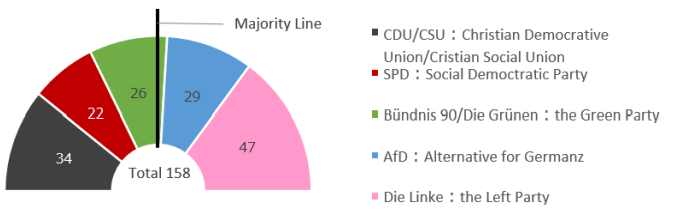
This impression was reflected to some extent in the results of the election for the Berlin House of Representatives (Abgeordnetenhaus), held on September 20 during my stay. According to the electoral authorities, the AfD received 16.3% of the party-list vote, an increase of 7.2 percentage points from the previous election, making it the third-largest party. Die Linke (The Left), however, made even larger gains, receiving 25.7% of the party-list vote—an increase of 13.4 percentage points—and winning 47 seats, close to one-third of all seats, to become the largest party. Meanwhile, the Christian Democratic Union (CDU), which placed second, and the Social Democratic Party (SPD) both saw their vote shares decline from the previous election. The election thus saw considerable shifts in support toward parties on both the left and right of the political spectrum, while traditionally dominant parties lost ground. ARD similarly identified the gains made by both the AfD and Die Linke, alongside the retreat of centrist parties, as a notable feature of the two state elections.
The trend was even more pronounced in the state parliamentary election held on the same day in Mecklenburg-Western Pomerania in northeastern Germany. According to the provisional official results released by the state election authorities, the AfD became the largest party with 38.2% of the vote—an increase of no less than 21.5 percentage points from 16.7% in 2021. The SPD finished second with 35.5%, while the CDU received only 4.9%, falling below the so-called “five-percent threshold” and therefore failing to win representation in the state parliament (Note 10). The AfD secured 32 seats, representing not merely an incremental gain but a major change in the state’s political landscape.
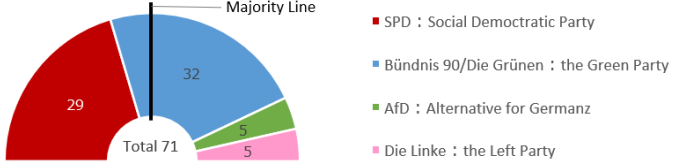
Nevertheless, I believe we should be cautious about interpreting these results solely through a single lens, such as a “rightward shift in German society” or growing opposition to immigration. During informal conversations at the Forum, I had opportunities to ask German participants how they viewed the AfD’s growing support. A common response was that, beyond ideology or immigration itself, dissatisfaction had accumulated over rising prices, housing costs, the burden of everyday living expenses, and the perceived inability of established political parties to respond adequately to these problems, with some of these protest votes consequently flowing to the AfD. This interpretation is also consistent with major media coverage suggesting that high living costs and concerns over industrial employment influenced voters’ decisions in these state elections (Note 12).
I also gained a tangible sense of these “cost-of-living issues” while walking around Berlin. My general impression was that prices for goods sold in retail stores were often more than double those in Japan. I was also told locally that, depending on the district, rents exceeding EUR 1,000 per month (approximately JPY 180,000) are not unusual for a single-person apartment in Berlin. Beyond housing costs, according to the Berlin-Brandenburg Statistics Office, consumer prices in Berlin increased by 2.9% year-on-year in August 2026, with fuel prices in particular rising by 29.8% (Note 13).
What is particularly interesting is that this dissatisfaction has not moved in only one political direction. While the AfD made substantial gains in Berlin, Die Linke, which occupies a very different position on the political spectrum, gained even more support and emerged as the largest party. The results may therefore suggest not simply a shift to the right, but that, against a backdrop of pressure on household living standards and dissatisfaction with established politics, voters are increasingly looking beyond the traditional centrist parties for alternatives. Local reporting has also pointed out that in Mecklenburg-Western Pomerania, the AfD attracted votes not only from previous non-voters but also from former supporters of the SPD and the CDU/CSU political camp, while in Berlin Die Linke also succeeded in mobilizing previous non-voters (Note 14).
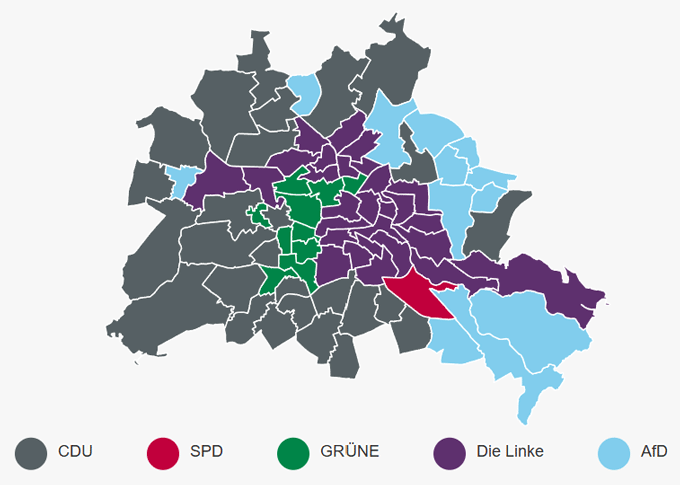
There are also well-known geographical differences in party support within Berlin. The area surrounding the JDZB, which is located in Dahlem in former West Berlin (Steglitz-Zehlendorf district), has a relatively strong CDU support base. Indeed, my own impression was that many of the campaign posters I saw in the surrounding area belonged to the CDU or the Greens. By contrast, as Figure 4 illustrates, support for Die Linke and the AfD is stronger in many parts of former East Berlin. Although I was unable to travel extensively throughout eastern Berlin during this visit, German participants at the Forum told me that AfD support is indeed stronger in those areas and that AfD campaign posters are therefore more visible.
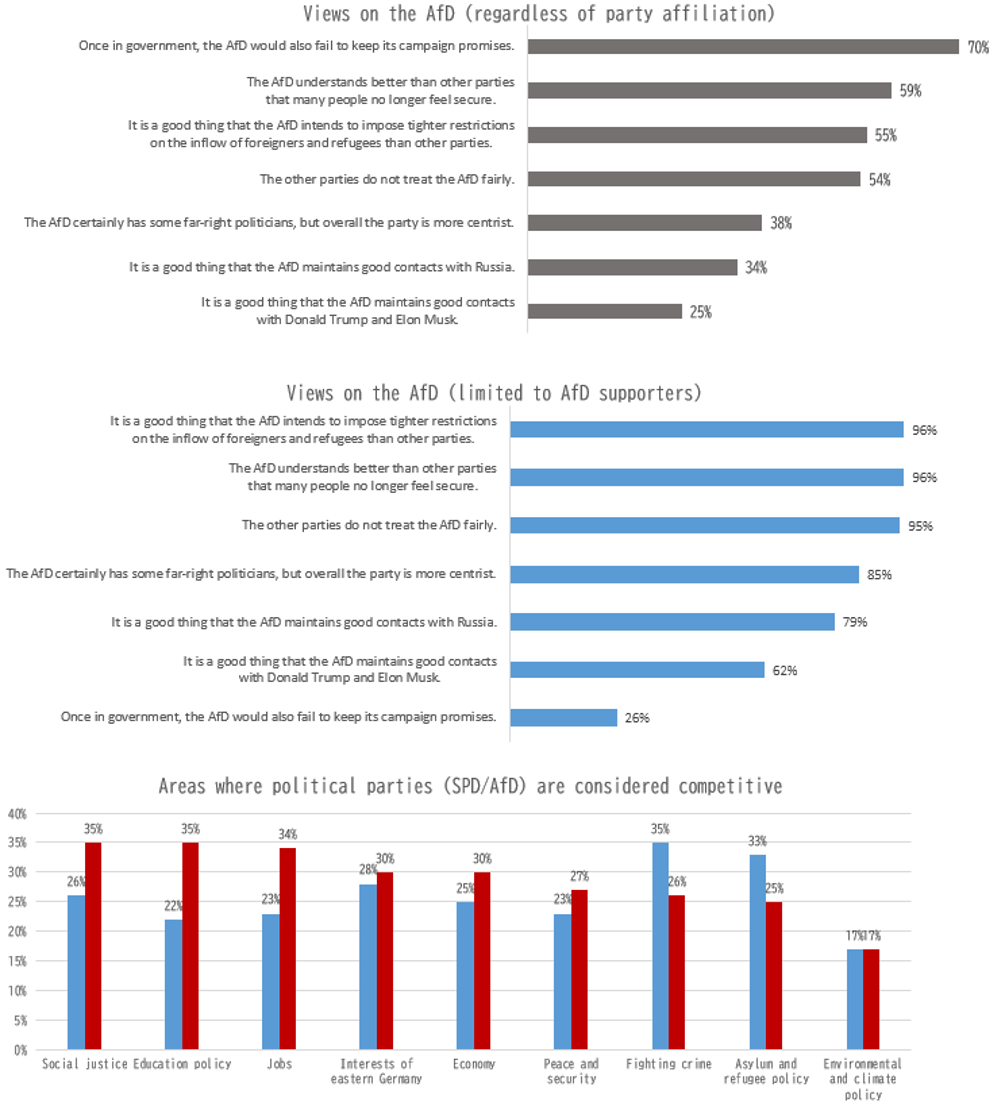
Mecklenburg-Western Pomerania, whose entire territory was formerly part of East Germany, also provides some interesting polling data concerning the AfD (Figure 5). Among respondents as a whole, regardless of party preference, 70% believed that the AfD would not keep its campaign promises if it came to power, while 55% supported the AfD’s call for tighter restrictions on the inflow of foreigners and refugees. Only 38% regarded the AfD as “more of a centrist party.”
The picture changes substantially, however, when looking only at AfD supporters. While 96% supported tighter restrictions on immigration and refugees, an identical 96% agreed that “the AfD understands better than other parties that many people feel anxious and insecure.” Furthermore, 95% felt that “the other parties do not treat the AfD fairly,” while 85% regarded the party as “more of a centrist party.”
Another interesting survey examined whether voters considered the SPD or the AfD more capable of addressing various policy areas. As might be expected, the AfD was rated more highly than the SPD on asylum and refugee policy. However, its perceived strengths were not confined to that area. On “fighting crime,” 35% regarded the AfD as more capable, compared with 26% for the SPD. The AfD also received a certain degree of recognition in the area of “social justice” (Sozialgerechtigkeit), although it remained behind the SPD.
Professor Karl-Rudolf Korte of the University of Duisburg-Essen, whose views regarding a policy discussion at RIETI I introduced in a previous article, similarly commented on this election that voters were interested in whether policies embodied social justice (sozialgerechtig), and that social justice itself had been a motivating factor in their voting decisions (Note 16).
These findings illustrate the difficulty of explaining support for the AfD solely in terms of attitudes toward immigration policy. From the perspective of its own supporters, the AfD also serves as a political voice for social anxieties that they believe established politics has failed to address adequately. In light of what I heard in Berlin about rising prices, housing costs, anxiety over everyday living conditions, and dissatisfaction with established political parties, it seems that understanding the AfD’s growth requires looking beyond simple narratives of rightward political shifts. Equally important is the voters’ sense of alienation based on their concerns and insecurities not being addressed or even understood by the existing political establishment.
[Click to enlarge]
The many campaign posters I encountered on the streets of Berlin, the concerns about everyday living conditions that I heard from people there, and the election results announced during my stay did not seem like separate phenomena. While major political issues such as security, immigration, and democracy dominate public debate, voters’ trust in politics is also deeply connected to everyday concerns: whether they can afford their rent, whether they can maintain their standard of living amid rising prices, and whether they see a hopeful future ahead.
My stay in Berlin therefore reminded me that when considering security policy, it is essential to look not only at the traditional left-right political spectrum or ideology, but also at the economic anxieties experienced in people’s everyday lives and erosion of their trust in established political institutions.
Viewing Japan from a German Perspective
During the working group discussions, one German participant commented that there is active communication between the government and the private sector in Japan regarding policy implementation and that the role played by business organizations such as “Keidanren” is particularly valuable. Germany, of course, has organizations such as the Federation of German Industries (Bundesverband der Deutschen Industrie: BDI), which actively express their views on public policy and engage in lobbying. Nevertheless, I was surprised to hear a German participant positively assess Japan’s framework for public-private dialogue and even refer specifically to Keidanren by name.
While I usually find myself researching how German policies operate, during the Forum’s working group discussions, on several occasions I was asked, “What policies does Japan have in place?” and found myself explaining Japan’s policy frameworks. This experience reminded me of the importance of being able to clearly understanding and articulate the characteristics of Japanese policy and society, and particularly those that differ from those of other countries.
The program also included visits to the Tränenpalast (“Palace of Tears”) and a Berlin underground bunker that remained in use through the Cold War, making this a stay during which I strongly sensed the legacy of East Germany. In The Secret History of the German-Japanese Cold War: Historical Truths Revealed by Classified East German Documents (Note 18), written by Dr. Akagawa, who moderated the program, primary-source materials are used to describe in detail how East Germany took a strong interest in Japanese industrial technologies and at times engaged in activities resembling industrial espionage.
These experiences reminded me of a book that demonstrates that not only present-day Germany but even the former East Germany had a keen interest in Japan’s economic policy system. I would therefore like to introduce it as one historical example of how Japan was viewed from Germany.
The book is Japan: Politik und Ökonomie: Handbuch (Japan: Politics and Economy: Handbook), compiled in 1985 by the GDR’s Institute for International Politics and Economics (Note 19).
The book begins by describing Japan as the country that achieved the fastest economic growth among nations defeated in World War II. It then argues, from the perspective of the GDR at the time, that Japan pursued economic reconstruction based on the U.S. model while maintaining what it termed “Monopole” (roughly, a system of monopoly capitalism), with the zaibatsu effectively continuing to exist. It further assesses that Japan continued to achieve economic growth even during crises affecting the capitalist world, such as the oil crises, while progressively refining this “Monopole” system. The book also notes that Japan sought to develop mutually beneficial economic relations with numerous socialist countries, including East Germany, while respecting each other’s governing authority. Against this background, the book seeks to explain what kind of political and economic system made Japan’s development possible.
According to the book, Japan’s “state-monopoly system of governance” consisted of four elements:
- Activities conducted by state institutions;
- State-affiliated enterprises, which improved capital management in the private economy by providing functioning infrastructure;
- Government budgetary, credit, and financial systems, which supported the reproduction process of monetary capital and redistributed state revenues through budgetary measures; and
- Government-led programs and policy frameworks (Orientierungsrahmen) for economic growth, which set and implemented objectives for the expansion of Japanese monopoly capital.
What is particularly interesting is the book’s description of this system as being sustained by close interlinkages (Verflechtung) between monopolistic enterprises and the public sector. It explicitly identifies the Federation of Economic Organizations (Keidanren) as a principal representative of industry. It also notes that most members of the Ministry of Finance’s advisory council on overseas investment were affiliated with Keidanren and that its chair was referred to as the “prime minister of the business community” (zaikai sōri). The book likewise emphasizes the importance of decisions made by the Industrial Structure Council of the then Ministry of International Trade and Industry (MITI). On the government side, it describes strong public-private ties through the practice of amakudari, under which former officials took management positions in industrial conglomerates and banks.
The book also portrays Japan as being supported by public corporations (kōsha) and public agencies (kōdan)—entities that were neither fully private or based solely on private capital, nor fully governmental—as important pillars supporting Japan’s economy. It names the three major public corporations—the Japanese National Railways(JNR), Nippon Telegraph and Telephone Public Corporation(NTT), and the Japan Tobacco and Salt Public Corporation (JTS)—as well as organizations such as the Japan Housing Corporation and Japan Highway Public Corporation. It describes a structure in which private Japanese companies relied on these public corporations for the infrastructure necessary for their businesses and, in turn, sold finished products at relatively high prices to publicly funded corporations. The book also argues that government subsidies and credit, accelerated depreciation schemes, and low-interest financing provided by institutions such as the Export-Import Bank of Japan and the Japan Development Bank served as mechanisms that facilitated the reproduction and expansion of Japanese corporate activity.
Of course, it was precisely in the mid-1980s, when this book was published, that the administration of then Prime Minister Yasuhiro Nakasone pursued the privatization of Japan’s three major public corporations. It goes without saying that relationships between the government and business, including practices such as amakudari, have changed considerably from what they were at that time. Nevertheless, little can be accomplished if the public and private sectors remain in a constant state of conflict and confrontation. Even today, when government ministries and agencies formulate budget requests or draft laws and regulations, they routinely seek opinions from companies and citizens and consider whether policies can realistically be implemented in society.
The book also contains detailed quantitative explanations of Japan’s public finances and local government institutions. Space does not permit a full discussion here, but the book gives the impression that even East Germany, then part of the Soviet bloc during the Cold War, believed there were lessons to be learned from Japan’s economic policies and made a serious effort to study them.
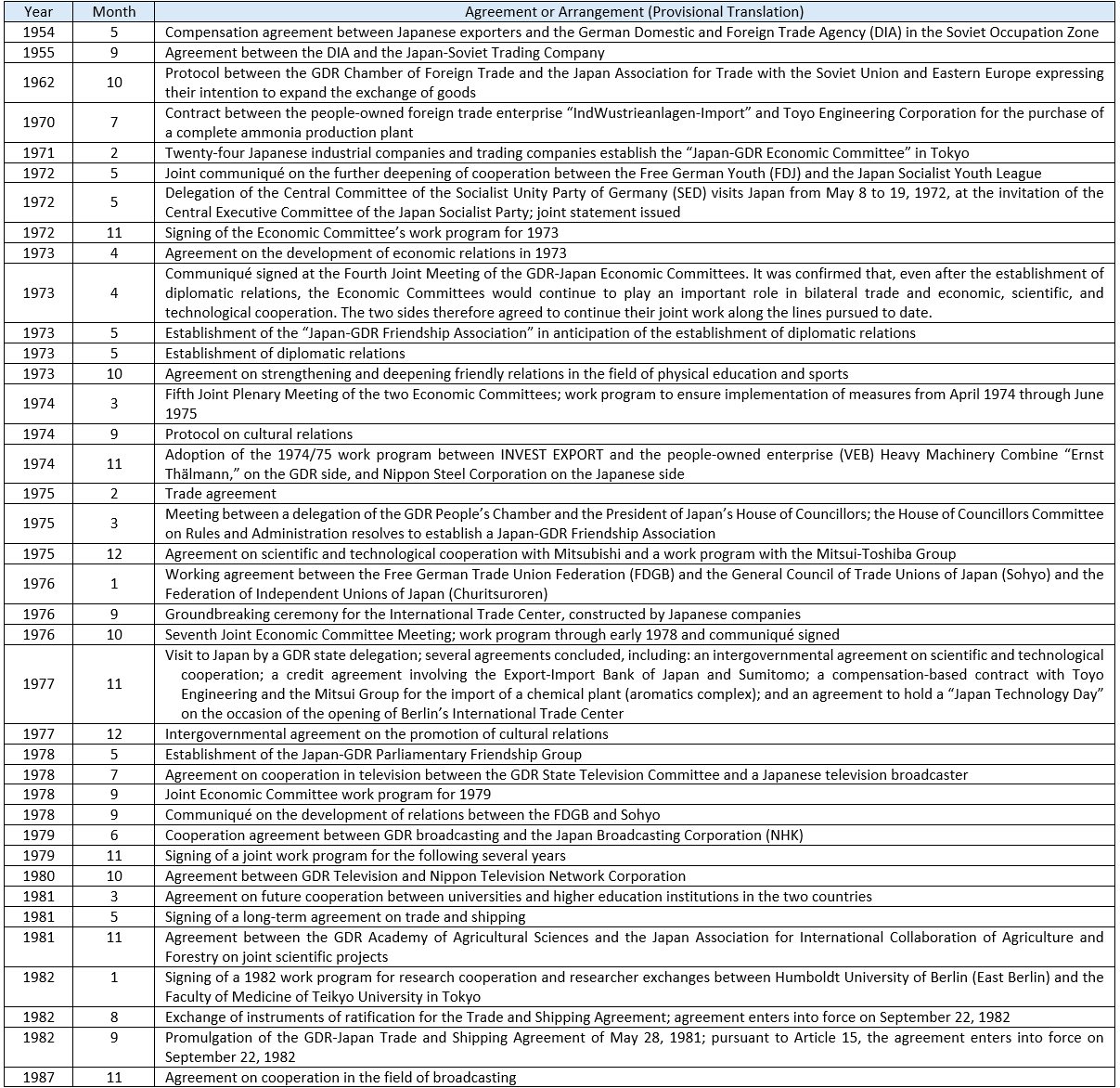
For the broader history of economic diplomacy between Japan and East Germany, I refer readers to Dr. Akagawa’s book mentioned above. At the same time, the following list of agreements and other arrangements between Japan and East Germany shows that, in addition to exchanges among labor unions and other organizations, efforts to introduce Japanese corporate technologies into East Germany were particularly prominent. Whatever East Germany’s underlying objectives behind these initiatives may have been, the record demonstrates the considerable attention it paid to Japan.
[Click to enlarge]
To avoid any misunderstanding, it should, of course, be emphasized that economic and diplomatic relations between Japan and West Germany were much deeper at the time, as demonstrated by the very history of the establishment of the JDZB, and that the Germany with which Japan maintains diplomatic relations today is the Federal Republic of Germany, founded upon the former West Germany.. Nevertheless, history suggests that it is important for Japanese people to to maintain an up-to-date understanding of how Japan is viewed by Germany and of the characteristics that distinguish Japan from other countries.
At a time when the international environment is changing dramatically and the range of agendas and stakeholders that policymakers must take into account continues to increase, I believe that contributing to people’s well-being requires an understanding both historical context and everyday concerns, and on that basis to patiently translate ideas into concrete policies. Alongside my continued efforts in policy research and communication, I hope to continue contributing to the practical work of supporting policymaking.
The views expressed in this article are solely those of the author and do not represent the official views of the Japanese-German Center Berlin, the organizations with which the author is affiliated, or any other organization.
October 2, 2026
>> Original text in Japanese
